From the field to the transformation
Partnering with farmers to develop sustainable supply chains
As a major player in the French agricultural sector, Soufflet Agriculture is committed to working alongside producers to build, enhance and grow sustainable supply chains – from field to processing.
A key player in the sustainable development of supply chains
Thanks to its position as the leading national collector and its proximity to the Group’s processing industries (Soufflet Malts, Milling, Episens and Soufflet Malt…),
Soufflet Agriculture plays a central role in the implementation of responsible and traceable supply chains.
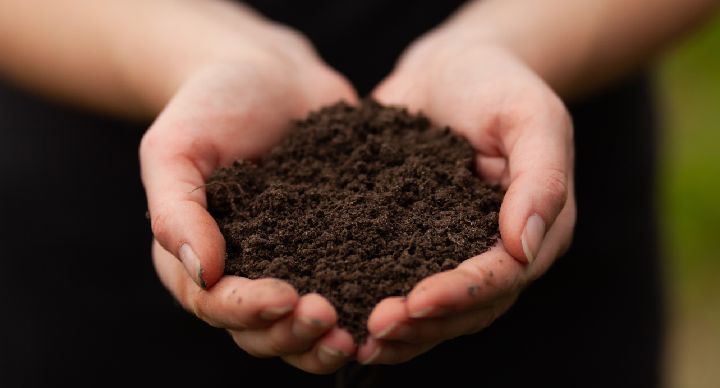
Sustainable supply chains:
a commitment from sowing to harvest
Sustainable supply chains are implemented from the sowing stage, based on precise specifications developed collaboratively with farmers and processors.
Each participating product benefits from specific recognition in the form of a supply chain premium, acknowledging best practices and the quality of the work performed.
Sector Director
Development of responsible supply chains and regenerative, low-carbon agriculture
The Responsible Supply Chains and the Wheat and Malting Barley supply chains form the main pillar of the traceable supply chains implemented by Soufflet Agriculture. By adhering to the specifications and recording their farming practices, farmers demonstrate that they carefully consider all their actions to ensure productivity, quality, and respect for the environment and biodiversity. These supply chains are traceable from field to plate, with a fully developed blockchain for malting barley, including a QR code on the packaging (1664).
Alongside these established supply chains, to meet industry expectations in terms of decarbonization, biodiversity preservation, and soil health restoration, Soufflet Agriculture has been developing regenerative and low-carbon agriculture supply chains for several years. The “Performance” program, based on farm assessments, training plans, farmer support, the provision of tailored inputs and services, and value-added channels, aims to develop these production methods and bring greater value to farmers.